
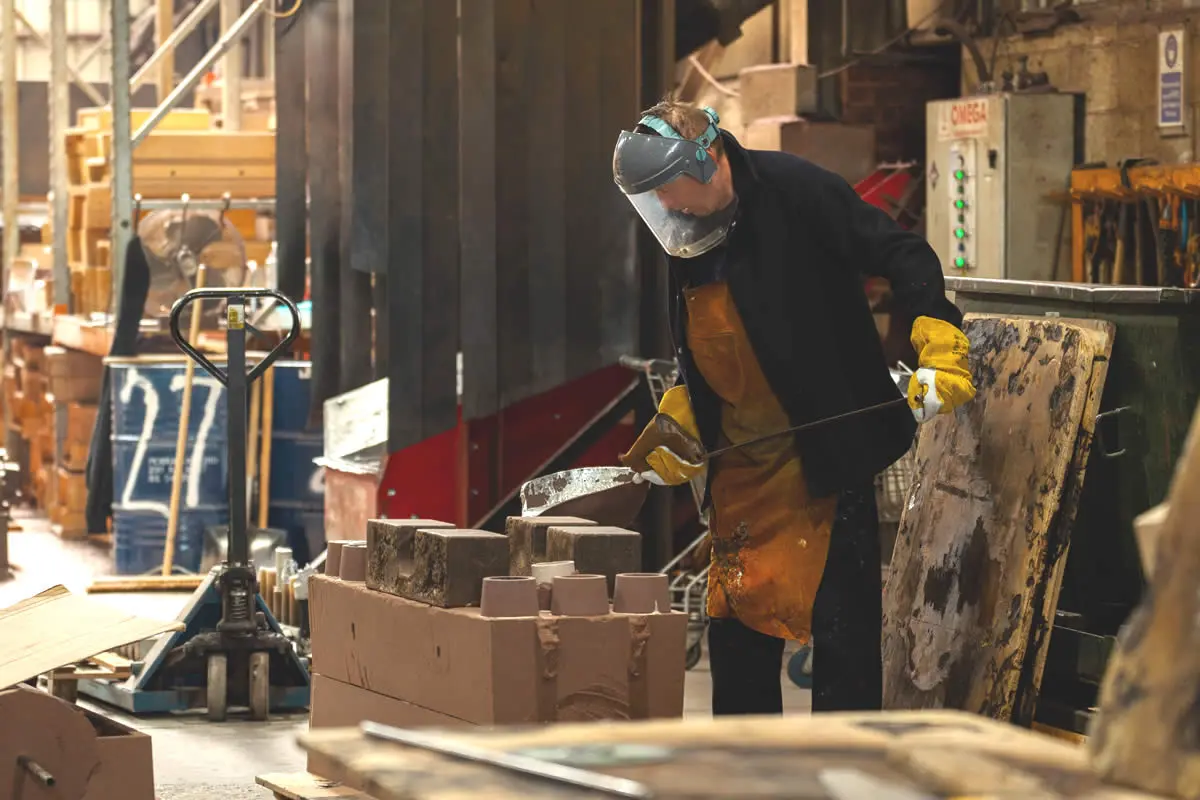
At Arrow Butler Castings, we understand that Rock climbing is a thrilling and demanding sport that requires reliable, high-performance gear. Among the essential equipment for climbers, rope grips play a critical role in securing the rope and providing a safe, smooth climb. When it comes to creating these essential components, precision and quality are paramount.
At our foundry, we specialise in casting aluminum rope grips that meet the high standards of durability, reliability, and safety that climbers depend on. In this post, we’ll explore why the quality of the casting process is so important in producing rope grips that stand up to the rigors of rock climbing.
The Importance of Precision in Casting Rope Grips
In climbing, even the smallest piece of equipment can make all the difference in terms of performance and safety. Rope grips are used to secure climbing ropes to various pieces of climbing gear, including carabiners, harnesses, and anchors. These small but critical components need to function flawlessly under extreme stress, high loads, and exposure to the elements.
The quality of the casting process directly impacts the integrity and functionality of the rope grips. A poorly cast grip could lead to defects like weak points or improper fit, which could compromise safety during a climb. At Arrow Butler Castings, we use high-precision aluminum casting methods that ensure every rope grip is made to exact specifications, providing climbers with a product they can rely on during their most demanding climbs.
Why Aluminum is the Ideal Material for Rope Grips
When it comes to manufacturing climbing gear, the material used for casting is just as important as the process itself. Aluminum is an excellent choice for rope grips for several reasons:
1. Lightweight and Strong
Aluminum is a lightweight metal with an excellent strength-to-weight ratio. For climbers, every ounce matters, and using aluminum for rope grips helps reduce the overall weight of their gear without compromising on strength. This makes it easier for climbers to carry and use their gear without unnecessary fatigue.
2. Corrosion Resistance
Climbing gear is exposed to harsh weather conditions – rain, snow, and sun. Aluminum naturally resists corrosion, even when exposed to the elements for extended periods. This makes it an ideal choice for gear that needs to withstand repeated use in outdoor environments.
3. Durability and Longevity
Aluminum is not only resistant to corrosion but also highly durable. When properly cast and treated, aluminum rope grips are designed to last for years, even under heavy use. This longevity is critical for climbers who rely on their gear to perform consistently over time.
4. Recyclability
Aluminum is a highly recyclable material, making it an eco-friendly choice for manufacturing climbing gear. As part of our commitment to sustainability, we ensure that the aluminum used in our rope grips can be recycled at the end of its lifespan, reducing the environmental impact.
The Casting Process: From Concept to Finished Grip
Creating a high-quality rope grip begins with a precise design and a well-executed casting process. Here’s a breakdown of how we make sure our rope grips are up to the task:
1. Design and Prototyping
The process begins with designing a prototype, typically using 3D modeling software. We take into account the specific needs of climbers—such as grip texture, strength requirements, and fit within the larger climbing system. Once the design is finalized, a prototype is created to test its functionality and fit.
2. Creating the Mold
The next step involves creating a mold for casting. Using the prototype design, we craft a high-quality mold that can withstand the heat and pressure of the casting process. This mold ensures that the final product will match the design specifications precisely.
3. Aluminum Melting and Casting
Once the mold is ready, we melt high-grade aluminum and pour it into the mold. The molten aluminum is carefully monitored to ensure that the temperature and flow are just right, which guarantees a smooth and consistent cast. After the aluminum cools, it solidifies into the final shape of the rope grip.
4. Finishing
After the casting has cooled, the rope grips go through several finishing processes. These may include machining, polishing, and anodizing, which improve surface texture, durability, and corrosion resistance.
Why Quality Control is Key for Climbing Gear
In rock climbing, safety is always the number one priority. Even small defects or imperfections in gear can lead to dangerous situations, so it’s critical that each rope grip is manufactured to the highest standards. At our foundry, we employ strict quality control measures at every step of the casting and machining process to ensure that every product we produce meets or exceeds safety requirements.
Whether we’re producing grips for recreational climbers, professional athletes, or for specific climbing applications, our focus on precision and quality control ensures that our grips provide reliable performance in the toughest conditions.
Durability and Performance in the Real World
Rope grips are essential for securing ropes in various climbing situations, including rock climbing, mountaineering, and ice climbing. Climbers rely on their equipment to perform under extreme conditions, from wet and icy environments to hot and dry mountain ranges. Our aluminum cast rope grips are designed to meet these challenges head-on, providing climbers with the performance they need to climb safely and efficiently.
Additionally, we understand that rock climbers need gear that not only works well but also feels comfortable and intuitive to use. That’s why we focus on both the functional and ergonomic aspects of our rope grips, ensuring they fit naturally into the climbing system and provide a secure, reliable hold.
FAQs
1. Can Arrow Butler Castings manufacture custom aluminium rope grips?
Yes. We specialise in custom aluminium casting and can produce rope grips to your exact specifications, drawings, or prototypes.
2. What casting process do you use for aluminium rope grips?
We use high-precision aluminium casting methods suitable for producing durable, structurally sound climbing components with consistent tolerances.
3. Do you provide machining and finishing for rope grips?
Yes. We offer in-house machining and finishing services, including polishing and anodising, delivering fully finished rope grip components ready for assembly.
4. What aluminium grades are suitable for climbing rope grips?
We can advise on the most appropriate aluminium grade based on strength, corrosion resistance, and load requirements for your application.
5. Can you support low-volume or production runs?
Yes. We support prototype development, small batch production, and larger volume manufacturing depending on your needs.
Conclusion
At Arrow Butler Castings, we’re proud to manufacture high-quality, aluminum cast rope grips that climbers can trust to keep them safe and secure on the rocks. By combining advanced casting techniques with the best materials available, we create rope grips that are lightweight, durable, and built to withstand the toughest climbing conditions. Whether you’re a professional climber or a weekend adventurer, you can count on our rope grips to provide the performance and reliability you need for a successful climb.
If you’re in the market for high-quality rope grips or other climbing gear components, feel free to reach out to us. We’re here to help create the gear that keeps you climbing safely and confidently.
Contact Arrow Butler Castings Ltd
Wittington Way, Chesterfield, Derbyshire S41 9ES
Call: +44 (0)1246 450027 | Email: [email protected]