
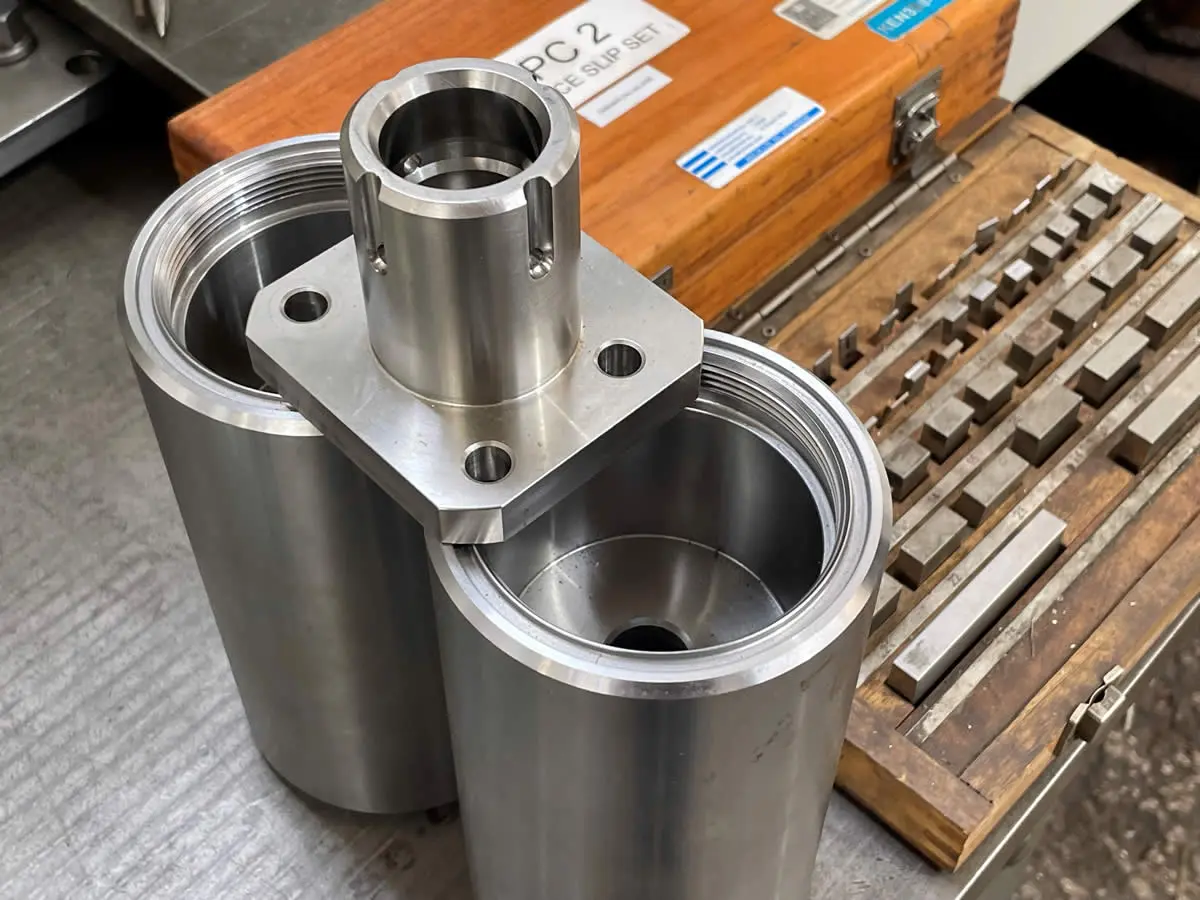
Water manifolds are a critical component in fire engine systems, directing water flow through hoses and nozzles to help fight fires. For vintage fire engines, the craftsmanship involved in creating these manifolds is key to maintaining the authenticity and performance of the vehicle. When it comes to the materials used to make these manifolds, aluminum stands out as the best choice for a variety of reasons.
Why aluminum is the go-to material for crafting durable, reliable, and long-lasting water manifolds for classic fire engines
At Arrow Butler Castings, we manufacture precision aluminium components for demanding, safety-critical applications. Our experience supplying cast aluminium parts for fire protection and water transfer systems means we understand the pressure, durability, and reliability requirements involved in fire engine manifolds.
1. Aluminum’s Durability and Resistance to Corrosion
One of the primary reasons aluminum is favored for fire engine water manifolds is its exceptional resistance to corrosion. Fire engines, especially vintage models, are frequently exposed to harsh environmental conditions—heat, moisture, and chemicals from the fireground, as well as the general wear and tear of time. Aluminum’s natural ability to resist rust and corrosion ensures that the water manifold remains functional and strong, even after years of use.
This corrosion resistance is vital for the longevity of the manifold, as it helps prevent the deterioration of critical parts. For older fire engines, where replacements are often hard to come by, the corrosion-resistant properties of aluminum help preserve the vehicle’s original functionality.
2. Lightweight yet Strong
Aluminum is known for being lightweight without sacrificing strength, making it an ideal choice for components like water manifolds. While fire engines are designed to be heavy-duty, they also need to be nimble and efficient. The lightweight nature of aluminum allows the manifolds to contribute to the overall vehicle’s weight efficiency, making it easier for fire trucks to carry the necessary equipment and perform at peak efficiency.
Despite its lighter weight, aluminum maintains a strong structural integrity, meaning that it can withstand the pressures and forces exerted by the water pumps and hoses during an emergency operation. This combination of lightweight and strength is crucial for ensuring the fire engine’s optimal performance while still maintaining the robustness needed for tough, high-pressure situations.
3. Excellent Heat Transfer Properties
Firefighting is, by nature, a hot and high-pressure environment. As water is pumped through the manifold during firefighting operations, it often needs to be directed to hoses and nozzles at high temperatures. Aluminum is known for its excellent heat conductivity, which helps in dissipating heat effectively. This means the material can handle the temperature fluctuations that come with fire engine operations without warping or becoming damaged.
This heat resistance is essential for maintaining the integrity of the manifold, especially in older fire engine models that were originally designed with materials less effective at managing heat. Aluminum helps ensure that the water system operates efficiently, allowing firefighters to focus on the task at hand without worrying about the mechanical reliability of the equipment.
4. Versatility in Casting
One of the unique advantages of aluminum is its ability to be easily cast into complex shapes. For fire engines, especially vintage models, custom parts are often needed to replace or restore specific components like water manifolds. Aluminum casting allows for high precision, enabling foundries to create manifolds that perfectly match the original designs, even for older or discontinued fire engine models.
Casting aluminum into intricate shapes is not only cost-effective but also ensures the creation of high-quality, functional parts that fit exactly as needed. Whether it’s crafting a manifold to match a specific vintage design or designing a custom part for a modern system, aluminum’s versatility allows for both flexibility and precision in the casting process.
5. Cost-Effectiveness and Sustainability
Compared to other metals like brass or stainless steel, aluminum is a more cost-effective option. This makes it a practical material for producing water manifolds, especially in large-scale projects or for restoring vintage fire engines where maintaining cost-efficiency is key.
Additionally, aluminum is one of the most recyclable materials available. Its recyclability makes it an environmentally friendly choice, reducing the need for new raw materials and helping to reduce waste. For foundries and manufacturers who prioritize sustainability, aluminum offers both long-term value and eco-friendly benefits.
6. The Historical Significance of Aluminum in Firefighting Equipment
Aluminum has played a significant role in the development of modern firefighting equipment. In the early 20th century, aluminum began to replace heavier metals in fire trucks and equipment, providing a lightweight yet durable alternative. By using aluminum for water manifolds, vintage fire engines were made more efficient and easier to maneuver.
The historical significance of aluminum in firefighting equipment ties into its current use in restoring and maintaining these classic vehicles. Aluminum’s role in fire engine design continues to support the preservation of these important pieces of history, helping fire truck collectors and enthusiasts keep the legacy of vintage fire engines alive for future generations.
Conclusion
Aluminum has proven itself to be the ideal material for creating fire engine water manifolds. Its corrosion resistance, lightweight strength, heat conductivity, casting versatility, cost-effectiveness, and sustainability make it the best choice for this crucial component in firefighting operations. For vintage fire engines, especially, aluminum provides an authentic, reliable, and long-lasting solution that keeps these historic machines operating at their best.
Whether you’re restoring a classic fire engine or looking for a high-performance manifold for a modern system, aluminum remains the material of choice for high-quality, functional components. At our foundry, we’re proud to continue the tradition of crafting precision aluminum parts that help preserve the rich history of fire engines and keep them in working order for years to come.
FAQs
1. Can you manufacture a replacement aluminium water manifold for a vintage fire engine?
Yes. We specialise in reverse engineering and casting bespoke aluminium water manifolds, even when original drawings or tooling are unavailable. We can work from an existing part, photographs, or dimensional measurements to recreate an accurate, functional replacement.
2. Are your aluminium water manifolds suitable for high-pressure firefighting systems?
Absolutely. Our castings are engineered with controlled wall thickness, low porosity, and appropriate alloy selection to perform reliably under high-pressure pump systems used in fire appliances.
3. Do you provide fully machined and ready-to-install manifolds?
Yes. In addition to supplying as-cast components, we offer in-house CNC machining, threading, drilling, and finishing, delivering manifolds ready for assembly and installation.
4. Can you produce one-off or small-batch fire engine components?
Yes. We are set up to support one-off restorations, small production runs, and specialist builds, making us ideal for heritage fire engine projects and low-volume emergency vehicle manufacturing.
5. What is the typical lead time for a custom aluminium fire engine manifold?
Lead times typically range from 3 – 6 weeks, depending on tooling and machining requirements. Expedited production options may be available for urgent restoration or operational needs.
Speak to Arrow Butler Castings About Your Fire Engine Manifold Requirements
Whether you are restoring a vintage fire appliance or manufacturing new firefighting equipment, our team can support your project from design through to finished casting.
Contact us
Contact Arrow Butler Castings Ltd
Wittington Way, Chesterfield, Derbyshire S41 9ES
Call: +44 (0)1246 450027 | Email: [email protected]